Free UK MOT, tax and vehicle checksOfficial DVSA & DVLA dataNo sign-up · UK vehicles only

Check Any UK Vehicle by Number Plate

A free reg check: make, colour, fuel, engine, CO2, Euro status, tax and MOT in one place.

Free. No sign-up. We never show owner details.

Demo mode: results are sample data. Try AB12CDE, CLOCK1, DIESEL1, EV21, EXPIRED1 or NEWCAR.

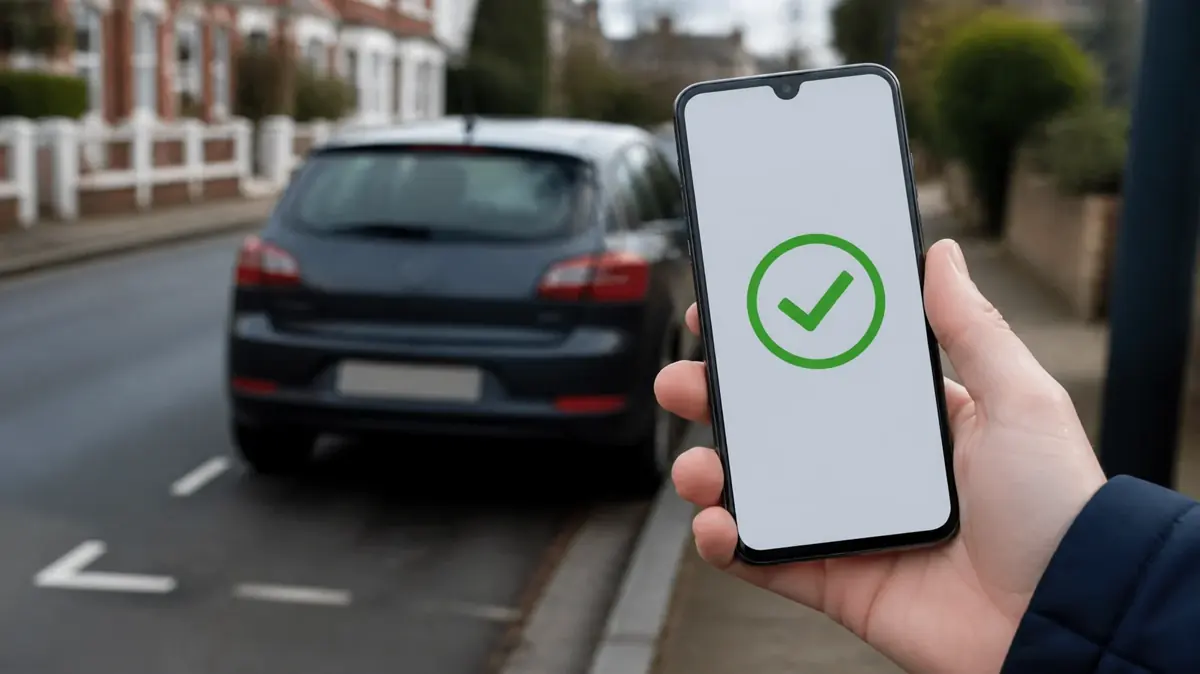
Person checking a car's MOT status on a smartphone beside a parked car

A vehicle check starts with the registration number. Type a UK plate into the box above and MOT Check Now pulls the official record for that car, van or motorbike: who made it, what colour and fuel it is, how big the engine is, when it was first registered, whether it is taxed, whether it has a valid MOT and what its Euro emissions status is. It takes a few seconds and costs nothing. This page explains every field you will see, what each one is worth to a buyer, and, just as importantly, what a free reg check cannot tell you.

People search for this under several names: car check, reg check, number plate check, vehicle check. They all mean the same first step. You give a registration, and you get back the facts held in the government vehicle records. It is a strong first step for spotting a mismatched listing, and below we set out how to fill the gaps it leaves.

01

Quick answers

  • What do I need? Only the registration number. No log book number, postcode or account.
  • What does it cost? The reg check is free. The optional Full Vehicle Report is £3.99.
  • Where does the data come from? The DVLA Vehicle Enquiry Service and the DVSA MOT history service.
  • Does it show the owner? No. Keeper details are never available and we never show them.
  • Does it show finance, stolen or write-off history? No. Those records are not in the free official data.
  • Is a clean result a guarantee? No. It confirms what the official record says today. It is the first step of a proper buying check, not the last.

Key facts at a glance

Question Short answer
Input needed UK registration number, with or without spaces
Sources DVLA Vehicle Enquiry Service and DVSA MOT history
Vehicle types Cars, vans, motorcycles and other road vehicles held on the DVLA record
Shows Make, colour, fuel, engine size, CO2, year, first registration month, tax, MOT, Euro status, export marker
Does not show Keeper details, finance, stolen status, write-off history, mechanical condition
MOT history coverage Tests in England, Scotland and Wales since 2005. Northern Ireland is held by DVA, a separate service
Tax and a sale Tax is not transferred with a sold vehicle. The new keeper must tax it before driving
Penalty for no MOT Fine up to £1,000, with exceptions for driving to a repair or a pre-arranged test
Affiliation Independent. Not affiliated with DVLA, DVSA or GOV.UK
Sample result (example vehicle)
Nissan Qashqai

White · Diesel · 1,461cc · Built 2013

GBAB12 CDE
MOT validValid until 21 Mar 2027. 138 days left.
MOT expiry21 Mar 2027
Days left138
Last mileage113,209 mi
TaxedVehicle tax is in place.
Tax statusTaxed
Tax due29 Aug 2027
Last V5C issued8 May 2026

Vehicle details

Make
Nissan
Model
Qashqai
Colour
White
Fuel type
Diesel
Engine size
1,461 cc
Year of manufacture
2013
First registered
22 Mar 2013
CO2 emissions
127 g/km
Euro status
EURO 5
Marked for export
No

History indicators

Low concernAn indicator from the recorded MOT data, not a verdict.
  • The same advisories keep coming back.

Sources: DVSA MOT history and DVLA vehicle data. Contains public sector information licensed under the Open Government Licence v3.0.

03

What a free reg check tells you

The lookup combines two official sources. The DVLA Vehicle Enquiry Service supplies the registration, tax and emissions details. The DVSA MOT history service supplies the test record. Here is each field, in the order most buyers need them.

Field What it shows Why it matters when buying
Make and model Manufacturer and model as recorded Confirms the car matches the advert
Colour Primary colour (and secondary where recorded) A colour that differs from the record can mean a respray or a wrong plate
Fuel type Petrol, diesel, electric, hybrid and so on Affects running costs, ULEZ and Clean Air Zone charges
Engine size Engine capacity in cc Should match the listing and the badge on the boot
CO2 emissions Grams per kilometre, where recorded Linked to how the vehicle is taxed
Year and first registration Year of manufacture and month of first registration Tells you the real age, which drives value, MOT timing and Euro standard
Tax status and due date Taxed, untaxed, SORN or not taxed for road use, plus the date You cannot drive an untaxed car away. Tax does not transfer to you
MOT status and expiry Valid or not valid, plus expiry date Shows how long the car is legal to drive and whether a test is imminent
Euro status Euro emissions standard, where recorded Decides whether you pay in the London ULEZ and some Clean Air Zones
Marked for export Whether the vehicle is flagged as exported A flag here needs a clear explanation from the seller

Where the DVLA record holds extra items such as wheelplan, type approval, revenue weight, real driving emissions or the date the latest V5C log book was issued, we show those as well. Not every vehicle has every field filled in, and older vehicles in particular may have gaps. A missing field is not a warning on its own.

04

How to use the vehicle check

  1. Type the registration exactly as shown on the plate. Spaces and capital letters do not matter.
  2. Press the check button. The result loads on the same page.
  3. Read the vehicle details first and compare them with the advert: make, model, colour, fuel, engine size and year.
  4. Check the tax and MOT panels for status and dates.
  5. If anything differs from the listing, ask the seller before you go any further.

If you want to go deeper on one area, the dedicated tools do that: the MOT check shows the current certificate, the MOT history page lists every past test, the car tax check covers tax and SORN detail, and the mileage check charts odometer readings across tests.

05

A worked example: reading a result against an advert

The easiest way to see the value of a reg check is to run through a made-up case. This is an illustrative example, not a real vehicle. Imagine an advert for a “2019 silver 1.6 diesel hatchback, full MOT, taxed”. You type the plate from the photo into the checker and the record comes back like this:

Item Advert says Record says Verdict
Colour Silver Silver Matches
Fuel Diesel Diesel Matches
Engine size 1.6 litre 1,598 cc Matches (1,598 cc is a 1.6)
Year 2019 First registered 2016 Older than advertised. Ask why
Tax Taxed Taxed, due date three weeks away True today, but it will not transfer to you
MOT Full MOT Valid, expires in 11 days Technically true, but a new test is imminent

Now suppose the colour had come back as black. That is a different category of problem. A mismatch in colour, fuel type or engine size points to either an advertising error, an undeclared respray or modification, or plates that belong to another vehicle. Ask for the V5C log book and compare the VIN with the number on the car. Our number plate guide explains how plates are formed and why a plate on its own never proves identity.

How to check a car before buying Five-step checklist for checking a used car before buying: check MOT history, check mileage trend, check tax and SORN, inspect in person, and take a test drive. Checking a car before you buy Five steps, in order1Check the MOT historyLook for failures, repeated advisories and gaps between tests.2Check the mileage trendReadings should rise steadily. Falls or big jumps need an explanation.3Check tax and SORNConfirm the tax status. Tax is not transferred when a vehicle is sold.4Inspect it in personCheck it matches its details and look over bodywork, tyres and lights.5Take a test driveListen for noises and check how it brakes, steers and changes gear.Mileage flags are an indicator, not proof of clocking.Based on GOV.UK and DVSA data
A step-by-step route for checking a car before you buy
06

Registration formats, personalised plates and what the check does with them

A UK registration is a label attached to a vehicle record, and the check simply looks up that label. You do not need to know how the plate is built, but it helps you spot oddities.

  • Current-style plates have two letters, two numbers and three letters. The two numbers are an age identifier that changes twice a year, so the plate gives a rough idea of when the car was first registered. That should line up with the year and month of first registration in the result.
  • Personalised and cherished plates can be moved from one vehicle to another. That means a plate can suggest an age that does not match the car wearing it. If the plate looks newer or older than the car in front of you, check the V5C: the record you see belongs to the registration, so what matters is that the registered make, model, colour and VIN match the vehicle you are inspecting.
  • Typing errors are the most common cause of a wrong result. The letters O and zero, I and one, and S and five are easily confused. Always compare the make and colour on screen with the vehicle.
UK number plate format The current UK registration format AB12 CDE on a yellow rear number plate: two letters for the area, two numbers for the age identifier, and three random letters. UK number plate format What each part of AB12 CDE meansCurrent UK format (in use since 2001)AB12CDEExample only. Rear plate style shown.ABArea codeThe first two lettersshow the region wherethe vehicle was firstregistered.12Age identifierThe two numbers showwhen the registrationwas issued.CDERandom lettersThe last three lettersare assigned atrandom.Source: GOV.UK
How a current-style number plate is built

If the plate on the car does not match the plate in the advert, treat that as a question for the seller. Do not simply look up whichever plate is easier to read.

07

Cars, vans, motorcycles and other vehicles

The same lookup works for any road vehicle on the DVLA record, but the rules that sit around the result differ by vehicle type. The most visible difference is the cost of the MOT itself, because the Government sets a maximum fee for each type of vehicle. The figures below are the maximum amounts; garages may charge less, and repairs are not covered by the cap.

Maximum MOT test fee by vehicle type (pounds) Motorcycle29.65 Motorcycle + sidecar37.80 Car (up to 8 seats)54.85 9 to 12 seat passenger57.30 Goods 3,000-3,500kg58.60 Source: GOV.UK MOT test fee page. Maximum fees, no VAT charged. Bars drawn to scale from zero.
Maximum MOT test fees by vehicle type. The car bar is highlighted because most reg checks are run on cars.

For type-specific pages, see the car MOT check, the van MOT check and the motorcycle MOT check. If the vehicle type affects the test category, our guide to MOT test classes sets out the groups.

08

How to read each part of the result

Make, model, colour and engine

These are the easiest fields to check and the first line of defence against a mismatched car. A plate belongs to one vehicle. If the record says a silver 1.6 petrol hatchback and the car in front of you is a black 2.0 diesel, one of three things is going on: the advert is wrong, the plates have been swapped, or the seller is not being straight with you. Do not go further with the second or third until you have a clear, documented explanation. A respray is legal and common, but the owner should be able to tell you when and why it happened.

Fuel type and engine size

Fuel type tells you more than you might expect. A diesel registered before around late 2015 generally falls below Euro 6, and that matters if you drive into London or Bristol. Engine size helps you sense-check the price: a small-capacity engine in a car advertised as a performance model is worth querying.

Year of manufacture and first registration

The month of first registration is the date the car first went on the road in the UK. It sets the clock for the first MOT, which is due by the third anniversary of registration, and then every 12 months. If the seller says “it’s a 2019 car” and the record shows first registration in 2016, you are looking at an older car than advertised, and the price should reflect that. The age also fixes the likely emissions standard, which is why the Euro field sits close by.

Tax status and due date

Tax is the field that surprises buyers most. Vehicle tax is not transferred when a car is sold. The new keeper must tax the car before driving it on the road, so a car showing “Taxed” today will need fresh tax in your name the moment you buy it. A status of SORN means the owner told DVLA the car is off the road, and it cannot be used on the road until it is taxed again. “Untaxed” on a car that is being driven is a problem for the seller, and for you if you buy and drive away without sorting tax first. The standard rate is set each tax year, so check the current figure on GOV.UK rather than relying on an old number.

MOT status and expiry date

A valid MOT means the car passed its last test and the certificate has not yet expired. It does not mean the car is in good condition today. An MOT is a snapshot of roadworthiness on the day of the test, covering the items DVSA tests, and it says nothing about the clutch, the gearbox, the service record or the engine’s long-term health. Look at the expiry date and think about timing. If it runs out in a fortnight, you will be paying for a test soon after you buy. You can have the test up to a month minus a day before expiry and keep the same renewal date, which our guide on how early you can get an MOT explains in full. Driving without a valid MOT can bring a fine of up to £1,000, with exceptions for driving to a pre-arranged test or to a repair.

Euro status and emissions

Euro status is the emissions standard the vehicle was built to. Broadly, petrol cars need Euro 4 and diesel cars need Euro 6 to avoid the £12.50 daily ULEZ charge in London, and the same logic applies to the Clean Air Zone charges in Birmingham and Bristol. Our estimate uses the Euro status and fuel type on the record, but the official TfL and council checkers have the last word, so confirm there before you travel. Our ULEZ checker and Clean Air Zone checker explain the rules in detail.

The export marker

The marked for export field shows whether DVLA has been told the vehicle is being, or has been, exported. A vehicle showing this flag should not simply be on sale in a UK car park. There can be innocent explanations, such as an administrative error or a vehicle that returned, but you should get a clear, documented answer from the seller before handing over money. If they cannot explain it, treat it as a reason to walk away.

The latest V5C issue date

Where the record shows the date the most recent V5C log book was issued, use it as a conversation starter. A date from last week simply means the document was reissued, which happens when a keeper changes, an address changes or a document is replaced. A very recent date on a car the seller says they have owned for years is worth a polite question. It is not proof of anything on its own.
09

Edge cases: new, imported, old and unusual vehicles

Most lookups are routine, but a number of situations produce results that look odd without being wrong. Knowing them saves you from either panicking or being falsely reassured.

Brand-new and nearly new vehicles

A vehicle that has not yet reached its first MOT shows its details, tax status and so on, but there is no test history to display. The first MOT is due by the third anniversary of registration, and some vehicle types need their first test at one year. If a three-year-old car shows no MOT history at all, that is worth a question, because it should have been tested by then. Our first MOT guide explains the timing, and the early MOT window explains how the renewal date is set.

Imported vehicles

A vehicle brought in from abroad has to be registered with DVLA before it can be used on UK roads, and its record can look different from a car built for the UK market. Fields such as type approval or Euro status may be blank, the first used date may be earlier than the UK registration date, and early odometer readings may be in kilometres. None of this is a warning by itself. It does mean you should ask the seller for the registration paperwork and be extra careful about emissions, because a missing Euro status stops us estimating ULEZ or Clean Air Zone liability. In that case, use the official checkers directly.

Older and historic vehicles

Some vehicles built or first registered more than 40 years ago, with no substantial changes, are exempt from the MOT. Vehicle tax exemption for historic vehicles follows a different date rule: vehicles built before 1 January 1986, or first registered before 8 January 1986 if the build date is unknown. An exempt vehicle must still be roadworthy. If the MOT status on a classic reads “not valid” or “no details held”, it may simply be exempt, so check the rules in our MOT-exempt vehicles guide before drawing a conclusion. Tractors and electric goods vehicles registered before 1 March 2015 are also on the exempt list, while lorries, buses and trailers have an annual test instead of an MOT.

Vehicles with an MOT status that reads “No details held” or “No results returned”

The DVLA record can show an MOT status of Valid, Not valid, No details held by DVLA or No results returned. The last two are not the same as “failed”. They mean the record has no usable test information, which can be because the vehicle is new, exempt, or has data missing. Use the MOT history page to see whether any tests exist at all.

Northern Ireland

MOTs in Northern Ireland are run by DVA, a separate service, so tests there do not appear in the DVSA history we use. Our Northern Ireland MOT guide explains what that means for a car that has spent time on both sides of the Irish Sea.

10

A reg check is not legal advice, but the result touches several rules that apply to anyone driving or buying a vehicle. These come from GOV.UK and DVSA guidance.

  • MOT. Driving without a valid MOT can bring a fine of up to £1,000. The exceptions are driving to or from a repair, or to a pre-arranged MOT test.
  • Dangerous defects. If a vehicle fails with a dangerous defect, it must never be driven, whether or not the MOT is current. Driving a vehicle with a dangerous defect can bring a fine of up to £2,500, a driving ban and 3 penalty points.
  • Tax. A vehicle must be taxed or declared SORN. Tax does not move to the new keeper when a vehicle is sold.
  • Insurance. Under continuous insurance enforcement a vehicle needs insurance unless it has been declared SORN. The registered keeper of an uninsured vehicle that is not SORN can get a £100 fixed penalty, and a court can fine up to £1,000. The vehicle can also be clamped, taken away or destroyed.
Driving without an MOT Decision flow: if the vehicle has a valid MOT you can drive it; if not, you can only drive to a pre-booked MOT test or to or from a repair, otherwise a fine of up to 1,000 pounds applies. A dangerous defect means a fine up to 2,500 pounds, a driving ban and 3 penalty points. Driving without an MOT Can you drive it? Follow the flowDoes the vehicle have a valid MOT?YESNOYou can drive itKeep it roadworthy. A dangerousdefect still makes it illegal.Only two exceptionsTo a pre-booked MOT test,or to/from a repair.Anywhere elseFine up to £1,000Dangerous defect listed? Never drive it.Illegal on the road, MOT or not. Fine up to £2,500,a driving ban and 3 penalty points.Source: GOV.UK
What happens if you drive without a valid MOT

Our reg check shows tax and MOT status because those are the two items you can see on the public record. It does not show insurance. Make sure you arrange cover before you drive any car you have bought, and treat that as a separate step from every check on this page. For more on the penalty rules, read driving without an MOT and our SORN check page.

11

What a free reg check cannot tell you

A free reg check does not show outstanding finance, stolen status, insurance write-off history or who the keeper is. The official sources we use do not hold or share that information, and we do not claim otherwise. No free lookup on any website can show you the keeper’s name.

This needs saying plainly, because many buyers assume a clean reg check means a clean car. It does not. Specifically, a vehicle check from official data cannot tell you:

  • Whether finance is owed on the car. A car bought on finance may not belong to the seller until the agreement is paid off. If the finance company has not been paid, it can potentially reclaim the car, even from a later buyer who paid in good faith.
  • Whether it has been reported stolen. Stolen records are held by police and industry databases that are not part of the free DVLA and DVSA data.
  • Whether it was ever written off. Insurers record total-loss categories, and those records are not in the MOT or tax data.
  • Who owns it or how many keepers it has had. Keeper details are never available to us, and we do not show any.
  • Its mechanical condition. The record shows test outcomes, not the state of the engine, gearbox, suspension or bodywork.
  • Whether the plates match the car. A cloned plate can pull up a perfectly clean record belonging to a different vehicle. Colour and model mismatches are your clue.
12

How to cover those gaps responsibly

None of the gaps above is a reason to avoid used cars. Each one has a practical answer.

  1. Ask the seller directly. Is there finance on the car? Has it ever been in an accident? How long have you owned it? Why are you selling? A straight seller answers these without fuss. Write down what they say, since a false statement can matter later.
  2. Inspect the V5C log book. Check the registration, make, model, colour, engine details and chassis (VIN) match the car. Check the seller’s name and address match where the car is being sold. If the seller does not have the V5C, or says it is “in the post”, be very cautious.
  3. Match the VIN to the car. The VIN on the V5C should match the number stamped on the vehicle and shown on the windscreen plate. Mismatches are a serious warning.
  4. Use a licensed history check for finance, stolen and write-off data. Choose a provider that states clearly that it covers outstanding finance, stolen markers and insurance write-off records. Our own report does not include those, and we say so openly (see the next section).
  5. Examine the car in daylight, in person. Check panel gaps, tyre wear, warning lights, fluid levels, and look for signs of repair. Take a test drive, and consider an independent inspection for anything expensive.

A buyer’s sequence: free checks first, then the paid report

You do not need to pay anything to learn a lot. Work through the layers in order and stop as soon as something fails.

  1. Free reg check (this page). Confirm the car matches the advert and the basic status is sensible. If it fails here, you have saved a trip.
  2. Free MOT history. Read the full test record on our MOT history page. Look for repeated failures, recurring advisories and the pattern of mileage. Our guide on how to read MOT history walks through it.
  3. Free mileage check. Open the mileage check to see whether readings rise steadily. Falls, jumps and long stalls are flagged. These are indicators, not proof.
  4. Viewing and V5C. Go in person, with the log book, and work through our used car checklist.
  5. Paid history check for finance, stolen and write-off data. Do this from a provider that covers those records, before you pay anything.
  6. Optionally, the MOT Check Now report. The Full Vehicle Report is £3.99 and puts the whole MOT story, mileage analysis, recurring advisories and a plain-English risk summary in one PDF. It is useful for the buying decision and for your own records, but it does not replace a finance and write-off check. We would rather you know that now than discover it later.
Full Vehicle Report (PDF)

Complete MOT timeline, mileage analysis, recurring advisories and a plain-English summary in one downloadable document.

14

Common mistakes with a reg check

  • Treating a clean record as a clean bill of health. A car can have a valid MOT and tax and still have outstanding finance, hidden accident damage or a failing gearbox.
  • Checking the plate in the advert only. Always check the plate physically on the car. Adverts can be wrong or misleading.
  • Ignoring the age of the data. Records update over time. A result shows the position at the moment you ran the check, so re-run it just before you pay.
  • Assuming tax carries over. It does not. Plan to tax the car in your name before you drive it away.
15

Who uses a vehicle check

Buyers should run the check before arranging a viewing and again on the day they pay. The seller claim checker compares the details in an advert with the official record, and compare cars puts two registrations side by side. Owners use it to see what the record says about their own car, and the car watchlist emails them when a new MOT result is recorded. Sellers should check their own plate first, so they see what a buyer will see, and tell DVLA when the car is sold.

16

What to do if something looks wrong

What you see Likely explanations Sensible next step
Colour or engine size differs from the car Respray, modification not recorded, advert error, wrong plates Ask for evidence, compare V5C and VIN
Car is older than advertised Advert error or deliberate flattery Renegotiate on the real age or walk away
Untaxed Between keepers, forgotten renewal Seller to tax, or arrange transport. Never drive away untaxed
SORN Off the road for a period Check MOT history for a long gap. Tax it before use
MOT not valid Expired, exempt, or a new vehicle Check the history and the exemption rules
Marked for export Administrative error or vehicle returned Written explanation from the seller, or walk away
Euro status blank Import or older vehicle Use official ULEZ and CAZ checkers
17

Glossary

  • V5C: the vehicle registration certificate, often called the log book. It is not proof of ownership, but it names the registered keeper.
  • VIN: the vehicle identification number, a unique chassis number that should match the V5C and the car.
  • SORN: Statutory Off Road Notification, a declaration that a vehicle is kept off the road.
  • VED: vehicle excise duty, the formal name for vehicle tax.
  • Euro status: the emissions standard the vehicle was built to, such as Euro 4 or Euro 6.
  • Advisory: an MOT note that a component is not yet defective but is likely to become so.
  • PRS: pass after rectification, where a defect was fixed during the test.
  • Keeper: the person recorded as responsible for the vehicle, which is not always the legal owner.
  • DVLA and DVSA: the agencies responsible for vehicle records and for MOT standards. We are not affiliated with either.
18

Where to go next

The reg check is the front door. If you want the test story, move to the MOT check, then the MOT history. If you want the advisories followed across tests, the advisory tracker shows which were fixed and which were ignored. For background on why records look the way they do, read how we get our data, our editorial policy and the about page. If you spot an error or have a question, use the contact page.

19

The limits of the data

Our results come from the DVSA MOT history service and the DVLA Vehicle Enquiry Service, and they are only as complete and current as those sources. MOT history covers tests in England, Scotland and Wales from 2005. Northern Ireland tests are run by a separate service (DVA) and do not appear in the DVSA data. Newer vehicles that have not yet had a first MOT will show vehicle details but no test history. Some fields are blank for older vehicles, imports or specialist vehicles. We are independent and not affiliated with DVLA, DVSA or GOV.UK. Contains public sector information licensed under the Open Government Licence v3.0. For official confirmation, use the GOV.UK services, including check MOT history.

21

For a single vehicle type see the car MOT check, van MOT check or motorcycle MOT check. Older tests are covered in the historical MOT check.

Frequently asked questions

What does a free vehicle check show?

A free vehicle check using the registration number shows the make, model, colour, fuel type, engine size, CO2 emissions where recorded, year of manufacture, month of first registration, tax status and due date, MOT status and expiry date, Euro emissions status and whether the vehicle is marked for export. It draws on DVLA vehicle data and the DVSA MOT history record.

Does a reg check show finance, stolen or write-off history?

No. Those records are held by finance companies, police and insurers, and they are not part of the free DVLA and DVSA data we use. To check for outstanding finance, stolen markers and write-off history, use a paid history check from a provider that states it covers them, and ask the seller directly as well.

Can I find out who owns a car from its number plate?

No. Owner and keeper details are not available through a free reg check, and we never show them. If you are buying, ask to see the V5C log book and check the seller's name and address match where the car is being sold.

Is a reg check the same as an MOT check?

They overlap but are different. A reg check gives the overall vehicle record: details, tax, MOT status and emissions. An MOT check focuses on the test record, including pass and fail results, advisories and recorded mileage at each test. Using both together gives the fullest free picture.

Why does the colour or engine size not match the car I am looking at?

There are three common reasons. The advert may have a typing error, the car may have been resprayed or modified without the record being updated, or the plates may belong to a different vehicle. Ask the seller to explain and look at the V5C and the VIN before going any further.

What does marked for export mean on a reg check?

It means DVLA has been told the vehicle is being or has been exported. A vehicle with this flag should not normally be for sale in the UK. There can be an innocent explanation, but you should get a clear, documented answer from the seller before paying anything.

Does a valid MOT and tax mean a car is safe to buy?

No. A valid MOT shows the car passed on the day of its test, and valid tax shows it is legal to drive for now. Neither tells you about finance, accident history, mechanical wear or the service record. Tax also does not transfer to you when you buy, so you must tax the car before driving it away.

How accurate is the data in a number plate check?

It is as accurate as the official DVLA and DVSA records it comes from, and it reflects the position when you run the check. Some fields can be blank on older, imported or newly registered vehicles. We are independent and not affiliated with DVLA or DVSA, so use the GOV.UK services for official confirmation.

Do I need the log book number to run a vehicle check?

No. You only need the registration number. We never ask for a V5C number, a postcode or any personal details, and the result never includes owner or keeper information.

Does the check work on vans and motorbikes?

Yes. The lookup works for road vehicles held on the DVLA record, including vans and motorcycles. The surrounding MOT fees and rules differ by vehicle type, so use the car, van or motorcycle MOT check pages for type-specific detail.

Why does my new car show no MOT history?

A new car is not tested until its first MOT, which is due by the third anniversary of registration, and some vehicle types need it at one year. Until then the check shows the vehicle details and tax status but no test history.

What if the Euro status is blank?

Imported, older and some specialist vehicles can have gaps in the record. Without a Euro status we cannot estimate ULEZ or Clean Air Zone liability, so use the official TfL or council checker before you travel.

How often should I re-run a check when buying a car?

Run it before you travel, and again just before you pay. Tax and MOT status can change between viewing and handover, and the result is only a snapshot of the record at the moment you ran it.

Need it all in one document?

The Full Vehicle Report gives you the complete MOT timeline, mileage analysis and summary as a PDF you can keep.

Get the report £3.99